01 / PC FANTASY RPG
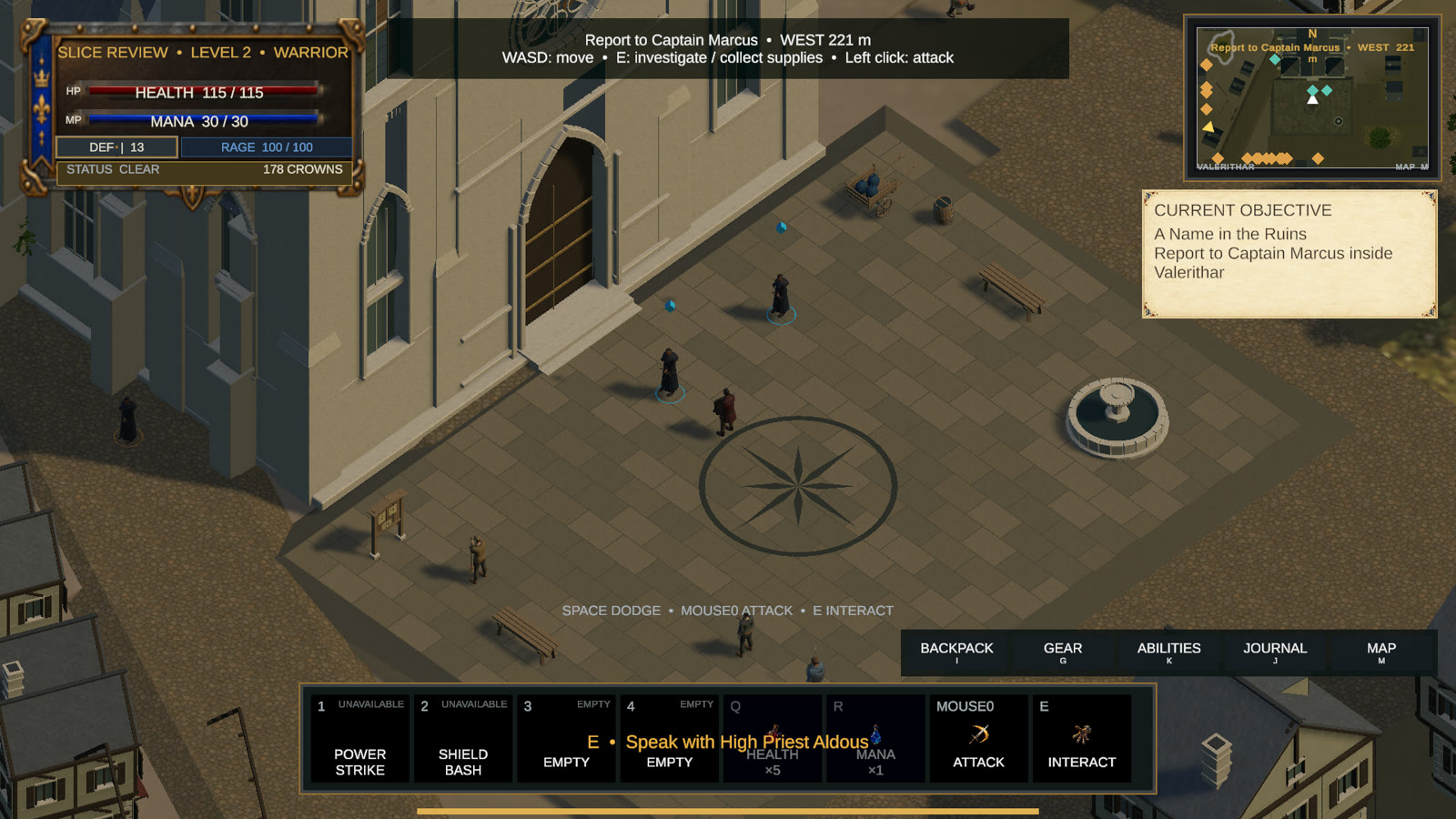
Untitled 2D
Isometric RPG
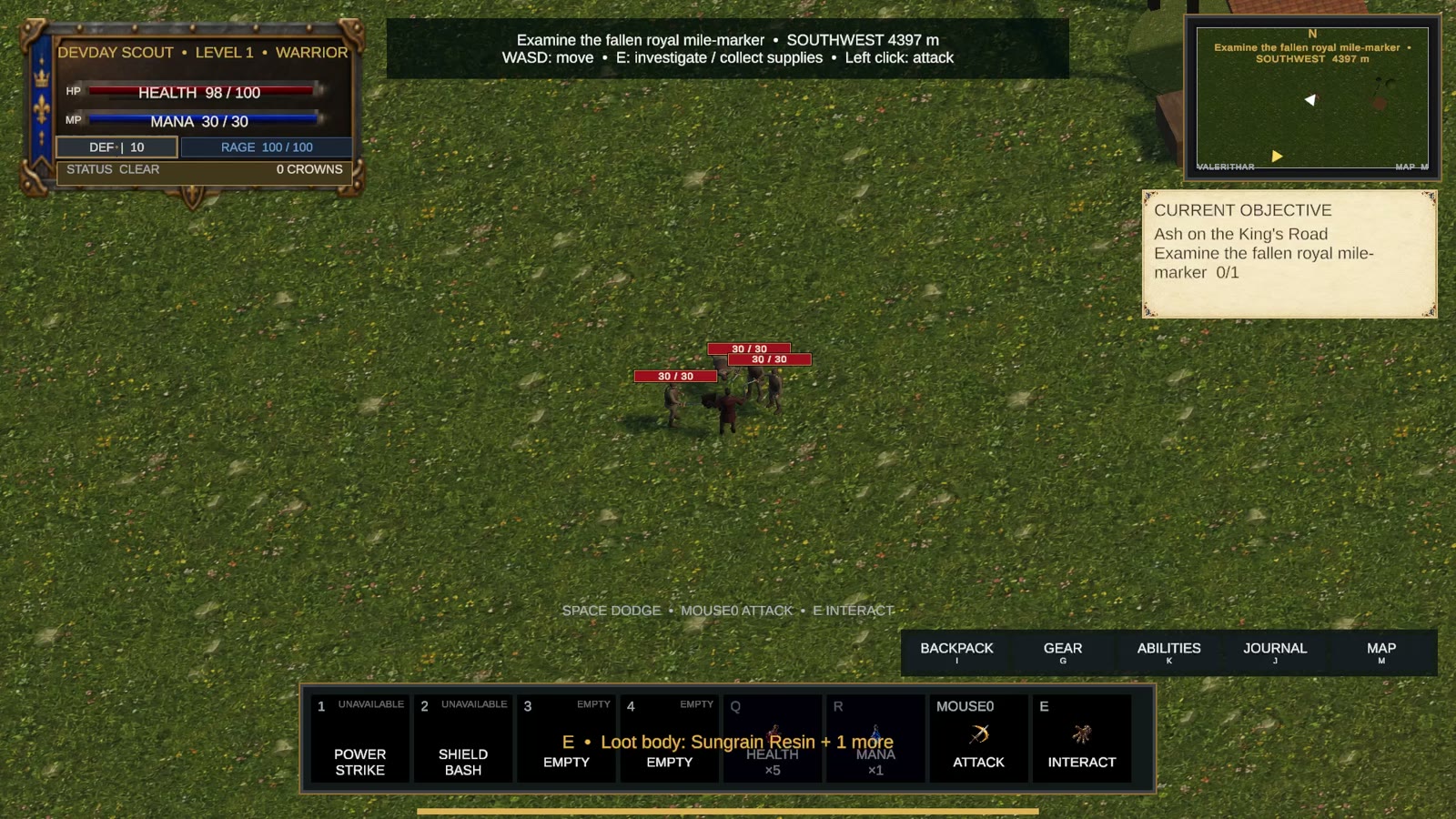
A fantasy RPG evolving into 3D. Follow the journey through Valerithar’s city streets, roadside battles, and dungeon ruins.
Visit the game site GAMES / WORLDS / CRAFT
JEREMY PRETTY / INDEPENDENT GAME CREATOR
From a pocket-sized battlefield to a fantasy world taking shape. I build games with character, curiosity, and a love for the details.
01 / THE GAME LIBRARY
Three different ways to play. Explore each game’s dedicated site for its world, gameplay, and latest development.
A fantasy RPG evolving into 3D. Follow the journey through Valerithar’s city streets, roadside battles, and dungeon ruins.
Visit the game site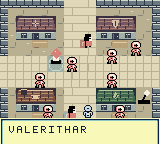
A handcrafted handheld adventure. Five classes, six cities, quests, crafting, and dungeon encounters in a world of original pixels.
Game Boy Color emulator required. Start a new game; earlier saves are incompatible.
Visit the game site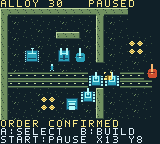
Deploy a mobile base, harvest alloy, and command your forces across a three-mission campaign. Big decisions on a small battlefield.
Visit the game siteOriginal game projects by TMFPRETTY. All images above are actual gameplay captures.
BEHIND THE WORLDS
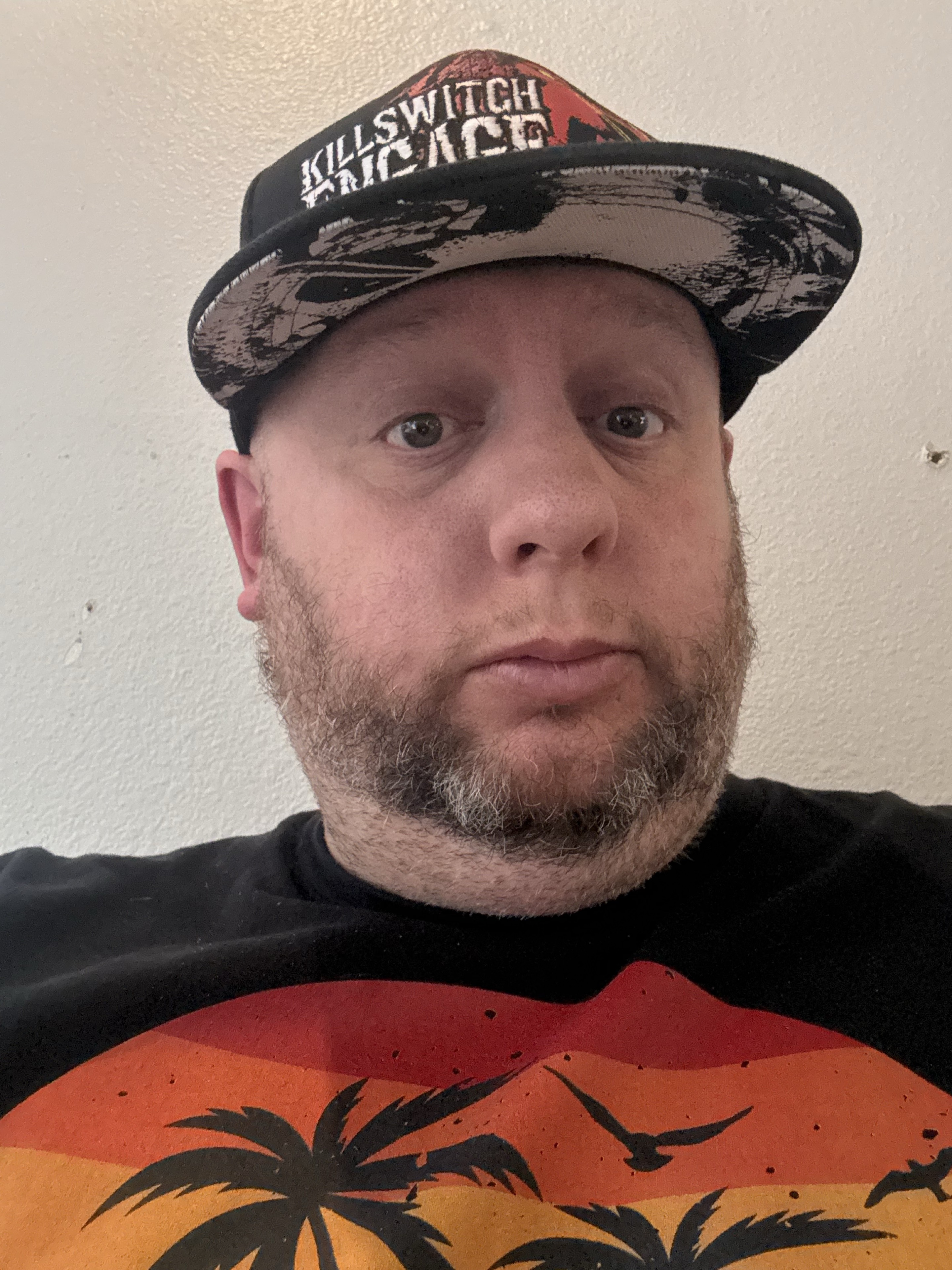
I’m Jeremy Pretty, the creator behind TMFPRETTY. My path into game development has taken me through Air Force service, software engineering, Blizzard Entertainment, teaching, and AI leadership. Today, I bring those experiences into building worlds of my own.
At Blizzard, I worked as a Project Manager and Senior Test Lead, leading quality teams across graphics, performance, online systems, game engines, and data science. My work supported titles including Diablo IV, Overwatch 2, World of Warcraft: Dragonflight, and Wrath of the Lich King Classic. Working at that scale reinforced how much the details matter, especially when they become part of someone’s experience playing a game.
My education spans product management, artificial intelligence and machine learning, project management, and business. As an educator and doctoral mentor, I also spend time helping others turn difficult ideas into something they can understand and build.
My own games give that same curiosity a creative home. A fantasy city, a handheld adventure, and a mobile command base each present a different challenge: how do you make a world feel distinctive, and give players a reason to care about it?
AI is part of my workshop. It helps me explore possibilities, solve technical problems, and iterate faster. I choose the direction, review the results, and decide what belongs. The world, the gameplay, and the character of each project remain mine to shape.
The goal is to build games worth exploring, remembering, and coming back to.
PhD, Product Management · MS, Artificial Intelligence & Machine Learning · MS, Project Management · MBA
02 / THE BLIZZARD YEARS
Before these independent worlds, I helped teams deliver games played on a much bigger stage.
Project Manager / Senior Test Lead
Austin, Texas
I led quality teams across Graphics, Performance, Online, Game Engine, and Data Science, bringing people, evidence, and release planning together.
That experience carries into my own games: care for the player, respect for the craft, and attention to what happens when a world is actually played.
Delivery planning, risk, quality metrics, and collaboration across teams supporting a major release.
Explore Diablo IVRelease support through quality leadership and cross-regional coordination.
Explore Overwatch 2Professional work at Blizzard, distinct from my independent game projects. Game names belong to their respective owners.
Led 12 employees and 50 contractors across a global quality organization.
Built context-aware bug triage and computer-vision tools for detecting visual anomalies.
Connected testing, risk, and delivery decisions to the experience on screen.
03 / AI IN THE WORKSHOP
I use AI to accelerate the work. The character of the game stays in human hands.
AI helps me explore ideas, work through technical problems, and iterate faster. It gives me more room to focus on what makes each game worth playing: its world, its atmosphere, and the choices players make.
I set the direction, choose what belongs, and review the results. A faster workflow only matters if the finished game still feels like itself.
Every tool serves the game.
The game never serves the tool.
Human-led directionWorld, tone, gameplay, and final decisions.
AI-assisted momentumExploration, problem solving, and iteration.
Player-tested resultsThe experience has to work when you play.
INSIDE THE WORKSHOP
A closer look at the decisions behind these projects. Select a game to explore its direction and the role of AI.
CRAWLER: BROKEN SIGNAL / ACTUAL GAMEPLAYThe project began with a question: could a strategy game inspired by the genre’s classics work on the Chromatic?
Working with Codex lets me explore mechanics, work through implementation, and refine the experience around the handheld’s limits.
A mobile base, finite alloy, and a three-mission convoy campaign give the game its own identity. Those choices drive the tools and the work.
THE FALLEN CROWN / ACTUAL GAMEPLAYThe Fallen Crown brings a smaller expression of the RPG world to Game Boy Color, with classes, cities, quests, and dungeon encounters.
Codex and the ModRetro Chromatic tools help turn ideas into a playable handheld project and support the cycle of building, checking, and refining.
The fantasy setting, five class paths, and original pixel presentation keep the adventure connected to its world, even on a smaller screen.
AI supports the development workflow. The screenshots show the actual games.